
Why Buyers Continue to Pay a Premium for Smith Mountain Lake Waterfront Property
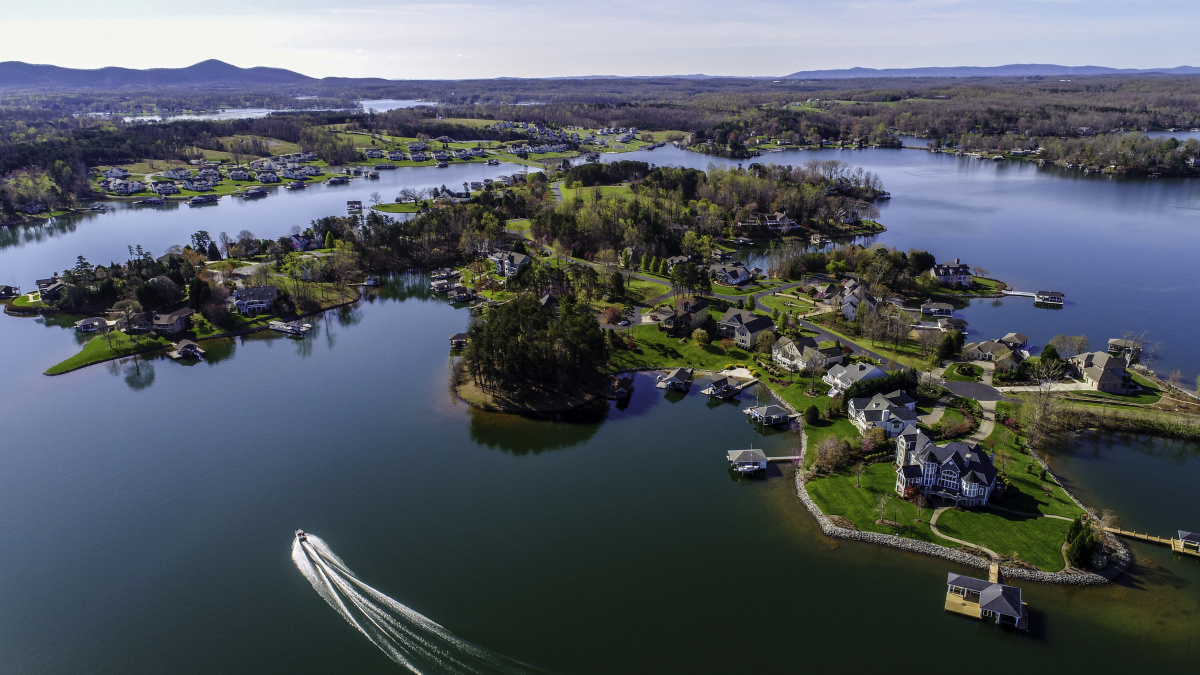
That feeling of stepping onto the deck at a Smith Mountain Lake waterfront home and seeing nothing but water, mountains, and sky has real market value behind it. At Smith Mountain Lake, true waterfront property remains one of the area’s most limited and sought-after commodities, particularly for second-home buyers looking for a retreat that feels genuinely removed from day-to-day life.
Part of that demand comes down to simple supply. Smith Mountain Lake has more than 500 miles of shoreline, but not every lot offers the same experience. Buyers consistently place a premium on wide water views, deep water access, dock potential, and privacy. Properties tucked just one or two streets back may still be beautiful homes, but they often do not deliver the same connection to the lake itself.
The shoreline also comes with layers of regulation that make certain waterfront features difficult, or sometimes impossible, to recreate later. Appalachian Power (AEP), through its federally regulated Shoreline Management Plan, controls the land below the 800-foot contour around the lake. That affects docks, shoreline improvements, vegetation management, and even what property owners can place near the water.
For many buyers, one of the biggest surprises is that the view itself may be partially governed by AEP regulations. Trees and vegetation below the 800-foot contour are not simply removed at an owner’s discretion. In many cases, permits or approvals are required, especially if clearing could affect shoreline stability or environmental protections. That matters because a panoramic water view is often one of the defining features driving a property’s value. Buyers paying a premium for waterfront real estate want to understand not only the current view, but also what protections or limitations exist around maintaining it over time.
Dock rights play a major role as well. At Smith Mountain Lake, a dock permit is not automatic. Factors including shoreline frontage, water depth, neighboring docks, environmental conditions, and AEP regulations all influence whether a property can support a dock and what type of dock may be approved. Properties with existing permitted docks and easy water access frequently rise to the top of buyers’ lists because so much of the uncertainty has already been resolved.
The market itself continues to reflect that demand. Waterfront listings at Smith Mountain Lake routinely command substantially higher prices than off-water homes with similar square footage. Current waterfront inventory ranges from cottages under $600,000 to luxury estates well into the multi-million-dollar range, while overall lakefront inventory remains relatively limited. Buyers looking for second homes are often competing for a finite number of properties with the combination of views, shoreline usability, dock access, and privacy they want.
For many families, the decision ultimately goes beyond numbers. The ability to walk down to the dock in the morning, watch the sunset from the deck, or spend weekends boating and swimming creates a lifestyle that buyers associate with relaxation, connection, and time well spent. Those emotional factors continue to shape the Smith Mountain Lake market just as much as square footage or price per foot.
If you’re considering a waterfront second home at Smith Mountain Lake, it helps to understand not only the home itself, but also the shoreline regulations, dock rights, and long-term factors that can affect value and enjoyment over time.
#BerkshireHathawayHomeServices #SmithMountainLake #RealEstate #SML
Sources: Appalachian Power Shoreline Management Program, smithmtn.com shoreline FAQs and SMP resources, local Smith Mountain Lake real estate market data from Realtor.com, Zillow, LakeHomes.com, and regional real estate publications.
Share This Post
| Previous Post | Next Post |